
How AI-Powered Applications Transform Business Operations
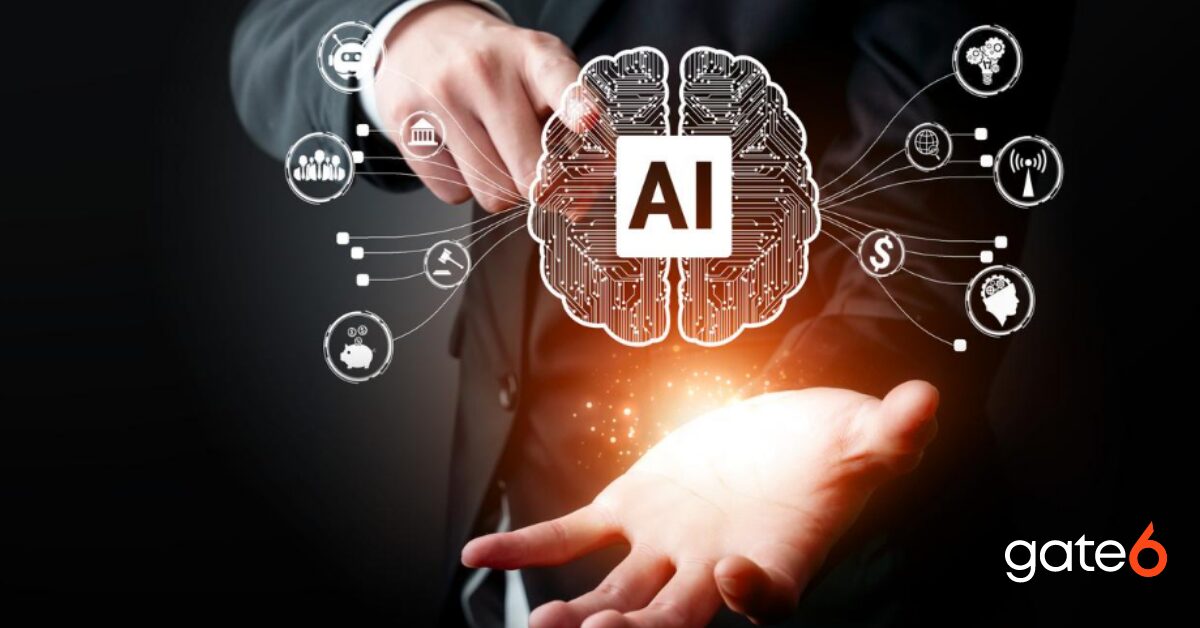
Businesses today operate in environments that demand speed, accuracy, and adaptability. Traditional systems often struggle to keep up with growing data, changing customer expectations, and increasing operational complexity. This is where AI-powered applications are making a real impact.
AI is no longer limited to experimentation. It has become a core part of how businesses automate workflows, improve decision-making, and deliver better user experiences. From predictive analytics to intelligent automation, AI helps organizations reduce manual effort while improving outcomes across departments.
Companies investing in AI application development services are seeing measurable improvements in efficiency, scalability, and long-term performance. These solutions don’t just optimize individual tasks—they transform how entire business operations function.
This article explores how AI-powered applications are reshaping industries and why businesses are prioritizing AI-driven transformation.
Why AI-Powered Applications Matter for Business Operations
AI-powered applications enable businesses to operate smarter rather than harder. They analyze large volumes of data, identify patterns, and provide insights that would be difficult to detect manually. This leads to faster decisions and more efficient workflows.
AI also supports automation at scale. Repetitive tasks that once required human effort can now be handled by intelligent systems, allowing teams to focus on strategic work.
Key ways AI improves business operations:
- Automates repetitive and time-consuming processes
- Enhances accuracy in data-driven decisions
- Reduces operational costs
- Improves productivity across teams
- Enables real-time insights and responsiveness
As a result, businesses gain better control over operations while improving overall performance.
AI in Process Automation and Workflow Optimization
One of the most immediate benefits of AI is its ability to automate complex workflows. AI systems can analyze processes, identify inefficiencies, and streamline operations without constant manual intervention.
Automation powered by AI goes beyond simple rule-based systems. It adapts to changing conditions and improves over time, making workflows more efficient and reliable.
Common automation use cases include:
- Invoice processing and financial workflows
- Customer support automation
- Data entry and validation
- Supply chain coordination
- HR onboarding processes
AI-driven automation helps businesses reduce errors, save time, and operate more efficiently at scale.
AI-Driven Decision Making Across Departments
Decision-making improves significantly when supported by AI. Instead of relying only on historical reports, businesses can use real-time data insights to guide their strategies.
AI models analyze trends, predict outcomes, and recommend actions. This helps leaders make informed decisions faster and with greater confidence.
How AI enhances decision-making:
- Provides predictive insights based on data trends
- Identifies risks and opportunities early
- Supports financial forecasting
- Improves resource allocation
- Enables faster response to market changes
Organizations that adopt AI-driven decision systems become more agile and competitive.
Industry Applications of AI-Powered Solutions
AI is transforming operations across multiple industries. Each sector benefits in different ways depending on its needs and challenges.
Healthcare
AI helps analyze patient data, improve diagnostics, and streamline administrative workflows. It supports faster decision-making and enhances patient care.
Finance
Financial institutions use AI for fraud detection, risk assessment, and automated trading. It improves security and operational efficiency.
Retail and E-commerce
AI powers personalized recommendations, inventory management, and customer insights. This leads to better customer experiences and higher conversions.
Manufacturing
AI supports predictive maintenance, quality control, and supply chain optimization. It reduces downtime and improves production efficiency.
Logistics and Supply Chain
AI helps optimize routing, demand forecasting, and inventory management. It ensures smoother operations and cost savings.
Across industries, AI applications drive smarter operations and better outcomes.
Scalability and Performance with AI Integration
AI-powered applications are designed to scale as businesses grow. They adapt to increasing data volumes, user demands, and operational complexity without sacrificing performance.
Scalable AI systems ensure that applications remain reliable even during peak usage. This is especially important for enterprises handling large datasets and high traffic.
Benefits of scalable AI systems:
- Consistent performance under heavy workloads
- Flexible infrastructure that grows with demand
- Faster processing of large datasets
- Improved system reliability
- Better long-term cost efficiency
Businesses working with AI application development services often prioritize scalability to support future growth.
Enhancing Customer Experience with AI
Customer experience plays a major role in business success. AI-powered applications help create more personalized and responsive interactions.
From chatbots to recommendation engines, AI improves how businesses interact with customers at every stage of the journey.
How AI improves customer experience:
- Personalized product or service recommendations
- Faster customer support responses
- Intelligent search and navigation
- Predictive customer insights
- Improved engagement across channels
These improvements lead to higher satisfaction, stronger loyalty, and better conversion rates.
FAQ
- How do AI-powered applications improve business efficiency?
AI automates repetitive tasks, analyzes data quickly, and reduces manual errors. This allows teams to focus on strategic work while improving productivity and operational speed. - Are AI applications suitable for all industries?
Yes, AI can be adapted to different industries based on specific use cases. From healthcare to finance to retail, AI solutions can be customized to meet unique operational needs. - Do AI applications require large amounts of data?
While more data can improve accuracy, many AI systems can start with smaller datasets and improve over time. A strong data strategy helps maximize performance. - How long does it take to implement AI in business operations?
The timeline depends on the complexity of the solution and data readiness. Many businesses start with smaller use cases and scale gradually. - Why should businesses consider AI application development services?
Working with experienced teams ensures that AI solutions are built correctly, integrated smoothly, and aligned with business goals, reducing risks and improving outcomes.
Why Gate6 Is the Right Partner for AI-Driven Digital Products
At Gate6, we help businesses build intelligent digital solutions that improve efficiency, scalability, and user experience. Our approach combines strategy, engineering, and design to ensure AI becomes a valuable part of your operations.
We deliver:
- Practical AI solutions focused on real business impact
- Scalable systems designed for long-term growth
- Reliable integration with existing platforms
- Thoughtful implementation aligned with your goals
Whether you’re looking to automate workflows, enhance decision-making, or improve customer experiences, Gate6 provides the expertise to move forward confidently. Contact us to explore how our AI solutions can support your business transformation.
Let’s build smarter operations that drive sustainable growth.

Written by Bob Cody
Share post


Recent Posts


Relevant Posts
July 10, 2026
The Role of AI in Improving Customer Journey Optimization
December 3, 2025
Must-Have AI Features to Build Smarter, Scalable Digital Products
August 19, 2025
AI Regulation – A “Short” Primer
August 13, 2025