
Essential Features Every Enterprise App Needs for Security and Scalability
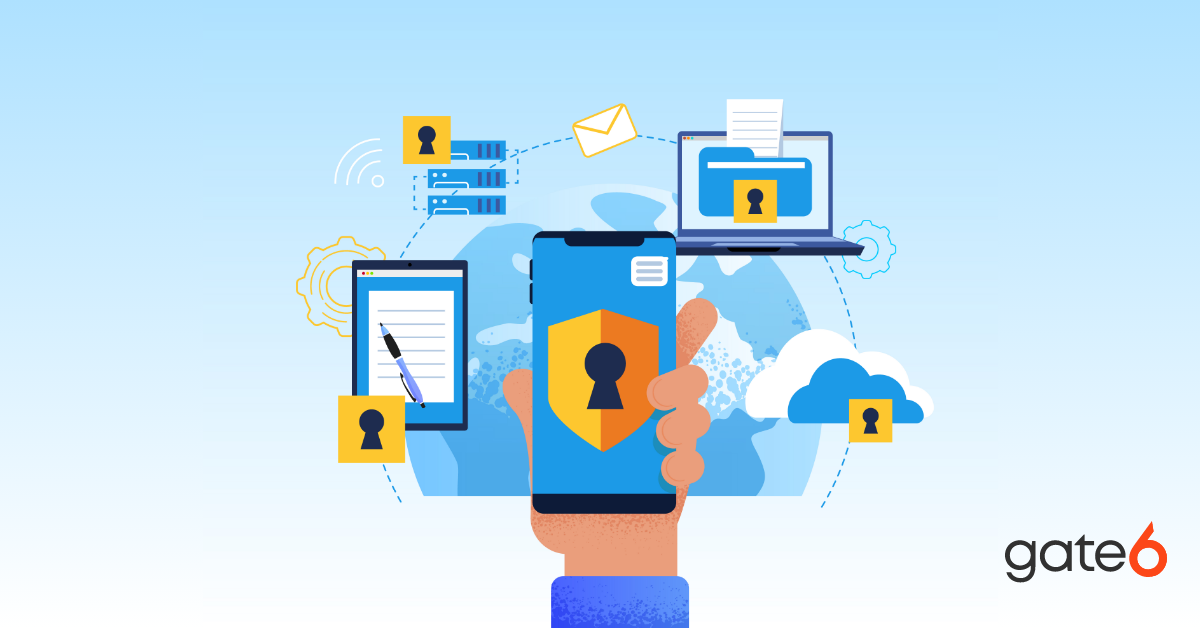
Enterprise applications face expectations that grow more complex every year. They must remain secure, reliable, and adaptable while supporting large teams, heavy data workloads, and mission-critical operations. At the same time, organizations expand, regulations tighten, and technology accelerates. Any weakness in the system can slow growth or expose the business to unnecessary risk.
Security and scalability form the backbone of every strong enterprise platform. When these two elements are implemented intentionally, the product becomes easier to maintain, faster to evolve, and far more resilient. When neglected, simple problems turn into expensive failures.
This guide outlines the essential features every enterprise app needs to stay secure, scalable, and ready for ongoing growth. These principles apply whether you’re modernizing an existing system or building a new enterprise solution from the ground up.
Why Security and Scalability Matter in Enterprise Apps
Security and scalability aren’t add-ons; they’re fundamental requirements for enterprise systems. An application must protect sensitive information and stay operational during peak usage, global access, and unpredictable conditions.
Without strong protections, enterprise software becomes vulnerable to breaches, downtime, and compliance failures. Without scalability, the system becomes a bottleneck that slows teams and limits business expansion.
Security and scalability matter because they:
- Protect sensitive data from internal and external threats
- Support business growth across new markets and teams
- Maintain performance during high traffic or heavy workloads
- Prevent downtime that disrupts operations
- Provide long-term stability and reliability
When these pillars are built into the foundation, enterprise apps evolve smoothly with the business.
Robust Authentication and Access Controls
Authentication and access control determine who can use the app and what they can do inside it. Strong systems prevent unauthorized access, limit exposure, and make internal workflows safer. Enterprise apps must handle multiple roles, permission levels, and identity sources without creating friction.
Modern authentication goes far beyond passwords. It balances security with usability so legitimate users can access what they need while threats are blocked instantly.
Key elements of secure authentication include:
- Multi-factor authentication (MFA)
- Role-based access control (RBAC)
- Single sign-on (SSO) integrations
- Privileged access management
- Login audit trails and activity logs
With the right access controls, enterprises reduce risk and maintain stronger operational discipline.
End-to-End Data Encryption
Data is one of the most valuable assets in any enterprise. Encryption protects it at every stage—moving across networks, stored in databases, or backed up in secure environments. Even if data is intercepted, encryption ensures it stays unreadable.
Enterprises rely on multiple layers of encryption to meet regulatory standards and maintain trust with users, clients, and partners.
Essential encryption practices include:
- Encrypting all data in transit
- Encrypting sensitive data at rest
- Managing and rotating encryption keys securely
- Encrypting backups and recovery copies
- Protecting sensitive fields like PII and financial data
With proper encryption, enterprise applications safeguard information throughout the entire lifecycle.
Scalable Cloud Architecture
A scalable enterprise app grows effortlessly as demand increases. Whether the organization adds new users, expands into new regions, or integrates additional services, the architecture must adapt without harming performance.
Cloud-native design enables elasticity, meaning the system can scale up or down automatically. This keeps performance consistent while optimizing operational costs.
Core elements of scalable cloud architecture include:
- Auto-scaling compute and storage resources
- Load balancing across servers or zones
- Containerized microservices for modular growth
- Distributed data storage for global performance
- High availability configurations across regions
Scalability ensures the enterprise app remains stable, fast, and reliable—even during rapid expansion.
High Availability and Fault Tolerance
Enterprise applications need to remain operational at all times. High availability and fault tolerance safeguard the platform from outages, hardware failures, or unexpected disruptions.
These capabilities allow the system to shift workloads automatically if something fails, keeping users connected without interruption. This reliability is essential for teams operating across multiple time zones or relying on the app for mission-critical tasks.
Key aspects of high availability include:
- Redundant infrastructure across multiple zones
- Automatic failover mechanisms
- Real-time health checks
- Self-healing systems
- Smart workload distribution
When issues arise, the app continues operating with minimal disruption.
Centralized Logging and Monitoring
Enterprise systems generate huge amounts of activity. Centralized logging and monitoring provide visibility into performance, user behavior, security events, and system health. This makes troubleshooting faster and helps teams address issues before they escalate.
Monitoring tools reduce guesswork by offering real-time insights across all services and environments. They also support audit requirements and long-term optimization.
Important monitoring capabilities include:
- Unified dashboards for performance metrics
- Alerts for anomalies and irregular patterns
- Log aggregation across microservices
- User interaction analytics
- Historical data for troubleshooting trends
With centralized observability, enterprise teams stay proactive instead of reactive.
Automated Security Updates and Patch Management
Cyber threats evolve constantly, and outdated software becomes an easy target. Automated patching ensures vulnerabilities are addressed quickly and consistently across environments. This reduces exposure windows and protects the enterprise from avoidable risks.
Automation eliminates delays caused by manual updates, making security maintenance part of a smooth, ongoing workflow.
Benefits of automated patch management include:
- Faster protection against new threats
- Reduced manual workload
- Lower risk of exploitation
- Consistency across environments
- Better audit and compliance tracking
Automated updates help enterprises maintain a strong security posture year-round.
API Management and Secure Integrations
Enterprise apps interact with dozens of other systems—internal platforms, third-party tools, partner services, and cloud applications. These integrations must remain secure, consistent, and scalable.
API management creates structure around how data flows between systems. It ensures reliability during peak usage and prevents unauthorized access or misuse.
Core API management features include:
- Secure authentication for internal and external APIs
- Rate limiting to prevent overload
- API versioning for stable updates
- Monitoring for unusual activity
- Validation rules for incoming and outgoing data
With strong governance, integrations stay secure and predictable even as the ecosystem expands.
Compliance-Ready Architecture
Enterprise apps must meet stringent compliance requirements that protect users, data, and digital environments. From GDPR to HIPAA to SOC 2, compliance expectations continue to rise across industries.
Compliance-ready architecture embeds safeguards that support regulatory standards without slowing down development. This creates a strong foundation for risk management and organizational trust.
What compliance-ready architecture includes:
- Region-aware data storage and retention
- Documented audit trails
- Strict access control policies
- Encryption aligned with regulations
- Automated reporting and documentation tools
Compliance strengthens credibility and prepares the enterprise for global operations.
Why Gate6 Is the Right Partner for AI-Driven Digital Products
At Gate6, we help businesses bring intelligent, scalable digital products to life with features that strengthen security, architecture, and long-term performance. Our team aligns strategy, engineering, and experience design so your enterprise app remains stable, future-ready, and easy to evolve.
We deliver:
- Practical solutions that improve reliability and user outcomes
- Architecture decisions that support long-term growth
- Responsible, well-structured implementations you can trust
- Seamless integration with your existing systems and workflows
Whether you’re modernizing infrastructure, expanding capabilities, or building a new enterprise platform, Gate6 helps you plan, build, and launch with confidence. Contact us to explore how we can support your next digital initiative.
Contact us today to set up your strategy session



Written by Bob Cody
Share post


Recent Posts


Relevant Posts
May 25, 2023
Importance of Cybersecurity in Mobile App Development
April 12, 2022
HIPAA and Cyber Security
June 30, 2021